

Planning an accessibility installation requires precise calculations and careful strategic planning for your facility. One of the most common questions facility managers ask is how many tactile indicators should be placed per meter of pathway or surface area. The answer depends on several important factors including the product type you choose, the specific location of installation, safety requirements, and local accessibility standards that apply to your facility. Understanding these key guidelines helps you create safe and fully compliant accessibility solutions.
Understanding the Correct Measurements
Standard Stud Requirements Per Meter
A tactile indicators manufacturer provides precise guidelines for proper installation. In 1 meter of pathway, approximately 118 studs are required for complete coverage. This density ensures continuous tactile feedback for individuals with visual impairments. The studs must be placed closely together to create an uninterrupted tactile surface. This high density is essential for effective safety and navigation throughout accessible pathways.
Strip Requirements Per Meter
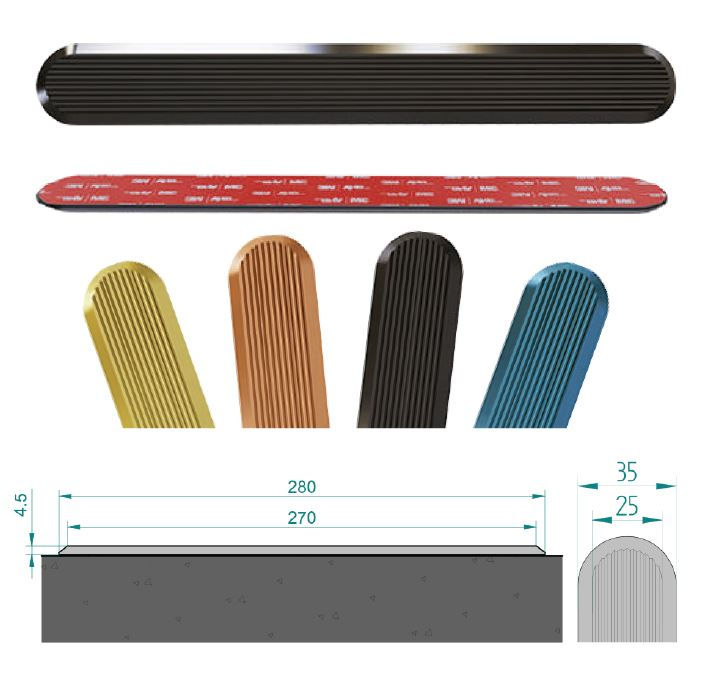
Self-adhesive tactile strip products offer a different approach to coverage. In one meter of pathway, approximately 13 strips are required. This means multiple strips must overlap or be placed in close proximity. The strips work together to create the same protective coverage as studs. Self-adhesive tactile strip installation requires careful planning to ensure proper density and overlap.
Calculating Your Installation Requirements
Per Meter Installation Formula
For a complete installation covering one meter of pathway, you need approximately 118 individual studs. This quantity ensures maximum protection and clear tactile guidance. A tactile indicators manufacturer bases these recommendations on accessibility standards and safety testing. The studs must be evenly distributed across the surface.
For strip coverage in the same one-meter area, approximately 13 strips are necessary. This high number reflects the width of each individual strip. Proper overlap between strips is critical for maintaining continuous coverage. Self adhesive tactile strip installation requires careful measurement and placement planning.
Quantity Differences Between Products
The significant difference in quantities shows why product selection matters. Studs require 118 units per meter while strips need 13 units per meter. This does not mean strips are better or worse. It simply means each product has different dimensions and coverage areas. A tactile indicators manufacturer designs both products to meet accessibility standards when installed correctly.
Installation Standards and Compliance
Meeting Accessibility Standards
Global standards define exact requirements for tactile indicator placement and density. These standards ensure individuals with visual impairments receive adequate protection. A reputable tactile indicators manufacturer designs product that meet these specifications. Installing approximately 118 studs per meter or 13 strips per meter ensures full compliance with safety requirements.
Self-adhesive tactile strip products must satisfy the same coverage standards as other installation methods. The quantity of 13 strips per meter reflects the proper density needed. This ensures reliable tactile guidance across the entire installation.
Installation Accuracy Matters
Installing the correct number of indicators is essential for safety. Insufficient coverage creates dangerous gaps in tactile information. Proper density prevents navigation errors and improves overall accessibility. Professional installation teams understand these precise requirements. They follow the measurements specified by a tactile indicators manufacturer carefully.
Product Selection and Implementation
Key measurements for different product types:
- Stud installation requirements: Approximately 118 studs per meter provides complete coverage, studs must be evenly distributed across the surface, spacing between studs should be minimal and uniform, proper placement ensures continuous tactile feedback, high density creates effective safety zones
- Self-adhesive tactile strip requirements: Approximately 13 strips per meter ensures proper coverage, strips must overlap slightly for complete protection, multiple strips work together in close proximity, proper alignment is critical for effectiveness, continuous installation creates uninterrupted guidance
Planning Your Installation Project
Important considerations when calculating quantities:
- Stud installation planning: Calculate 118 studs multiplied by the total meter length of your project, order extra studs for spare inventory and replacements, ensure quality control during placement verification, account for surface preparation time, budget for proper installation tools and equipment
- Self-adhesive tactile strip installation: Calculate 13 strips multiplied by the total meter length needed, plan for careful overlap between strips during installation, order additional strips for spares and future repairs, verify proper adhesion and alignment, coordinate installation to minimize facility disruption
Conclusion
Installing the correct number of tactile indicators per meter is fundamental to accessibility safety. Approximately 118 studs or 13 strips per meter ensures complete coverage and compliance. Work with your tactile indicators manufacturer to verify exact quantities for your project. These precise measurements reflect professional standards for accessibility installation. With accurate planning and correct quantities, you create effective solutions that keep everyone safe and accessible.
mobic meloxicam for dogs
mobic meloxicam for dogs
remeron medication weight gain
remeron medication weight gain
tetracycline 500mg capsules
tetracycline 500mg capsules
fluconazole for yeast infection
fluconazole for yeast infection
furosemide 20 mg tablet for dogs
furosemide 20 mg tablet for dogs
creon like meds
creon like meds
priligy dosage reddit
priligy dosage reddit
dapoxetine depression reddit
dapoxetine depression reddit
semaglutide amarillo texas
semaglutide amarillo texas
topamax uses bipolar
topamax uses bipolar
rybelsus semaglutid tabletter
rybelsus semaglutid tabletter
rogaine eyebrows reddit
rogaine eyebrows reddit
orlistat walmart usa
orlistat walmart usa
saxenda dosing guidelines
saxenda dosing guidelines
terbinafine safety profile
terbinafine safety profile
minoxidil 2% vs 5% regrowth performance
minoxidil 2% vs 5% regrowth performance
minoxidil trial data overview
minoxidil trial data overview
avanafil food interaction safety notes
avanafil food interaction safety notes
vardenafil vs sildenafil comparison summary
vardenafil vs sildenafil comparison summary
online safety safe navigation
online safety safe navigation
Comments are closed.